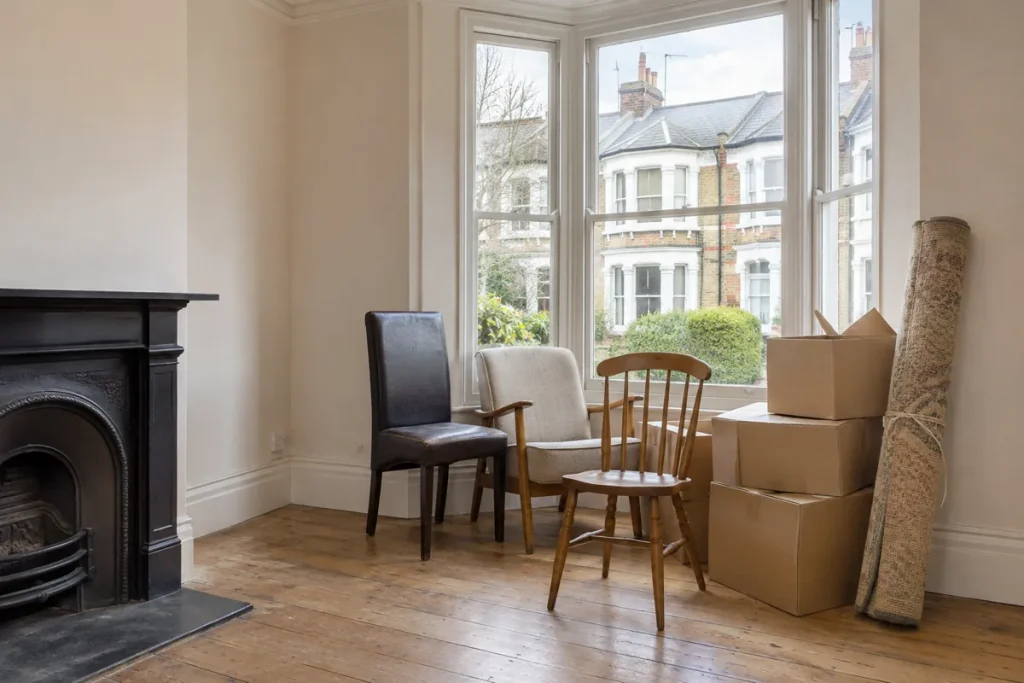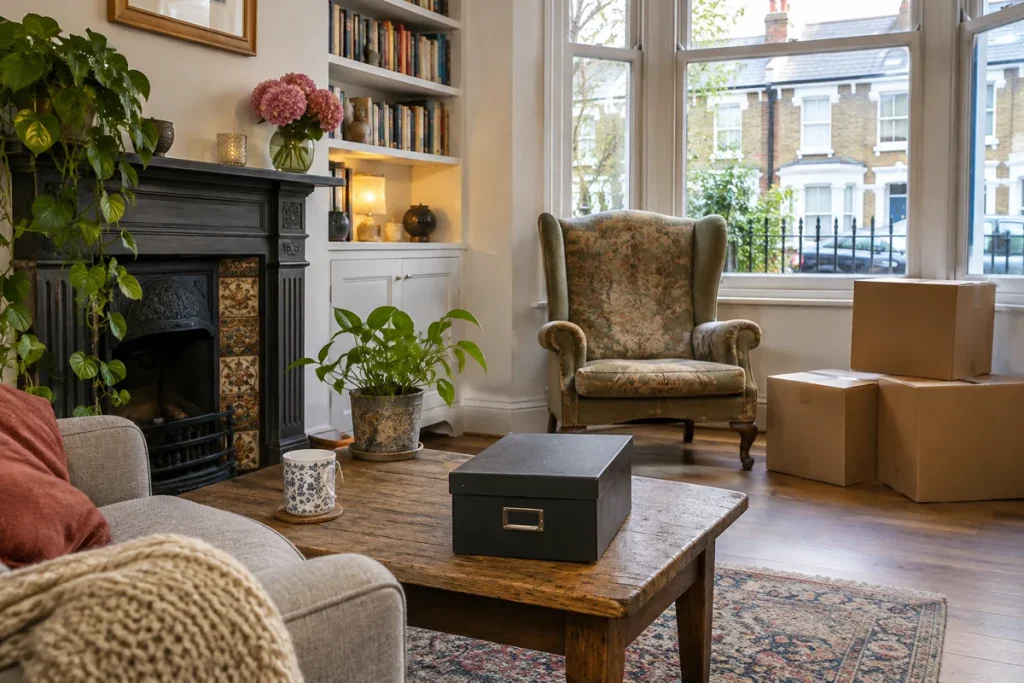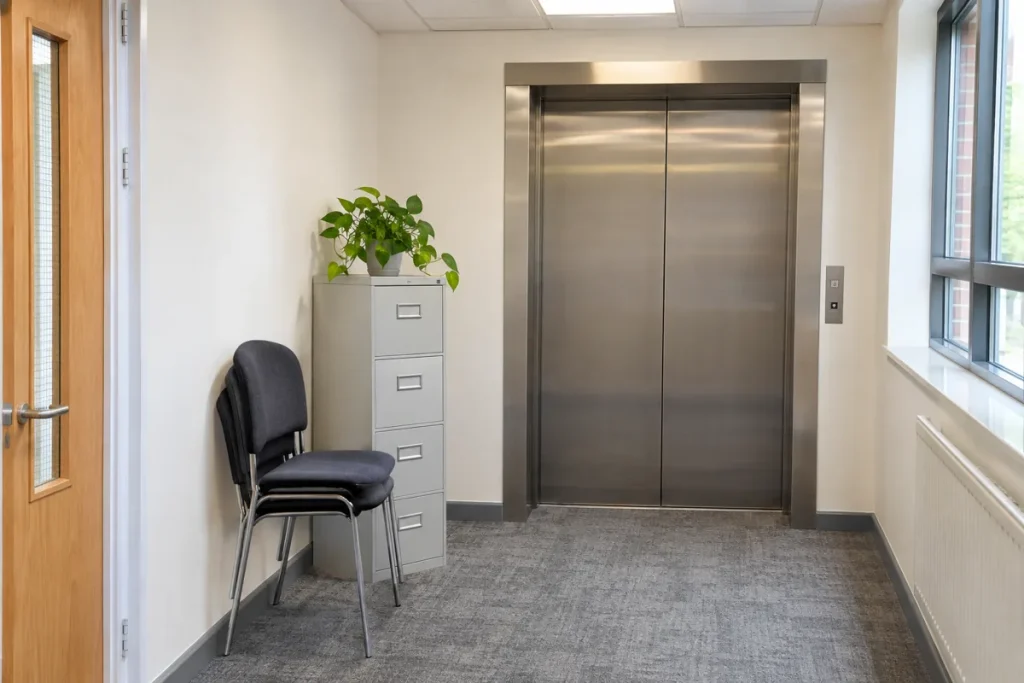
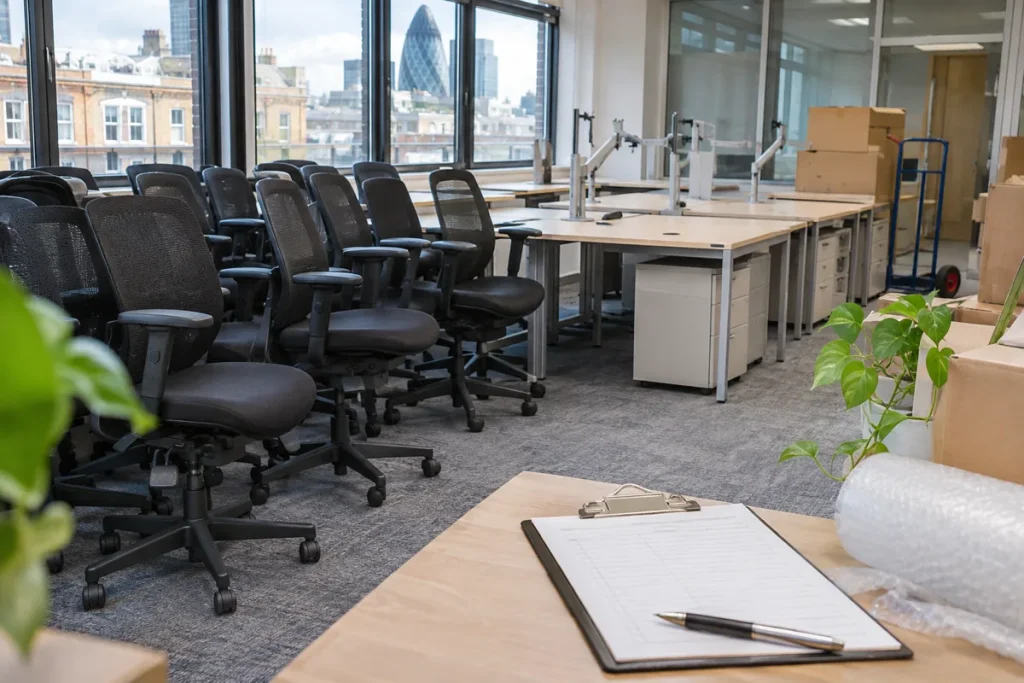
A list that says “desks, chairs and cupboards” gives us a starting point. A list that says “six loose desks on the second floor, eight chairs and two tall filing cabinets” helps us understand the job. A usable inventory can be brief as long as it separates the items that need different handling.
Group items by room and type
Count desks, chairs, meeting tables, cabinets and boxes separately. Photograph a representative item from each group and show anything unusually large. Indicate which desks are assembled and which are already in parts. Mark furniture that belongs to the landlord or another team so it is easy to leave behind.
Keep records and equipment on their own list
Check desks and cabinets for files, keys and equipment. Keep confidential records and devices apart until your team has agreed how to handle them. For the items you want collected, tell us about screens, computers or other electrical equipment separately. This helps us assess your office furniture and waste clearance with the right information.
Let us know what changes
Share the floor, postcode, lift details and loading arrangements along with the inventory. If desks are reassigned or extra furniture is added, send a revised list before the visit. On the day, a named contact who can identify the agreed items helps us work through the rooms without interrupting the rest of the office.
Use an inventory someone else can follow
A useful entry reads: “Meeting room B, one assembled table, top about 180 cm long, keep the chairs.” Add the room name to each photo or take pictures in the same order as the list. Include a separate line for items that may leave before collection day, such as chairs another team plans to reuse.
If people will be moving equipment themselves, include that in the planning meeting and decide who is responsible for the task. The Health and Safety Executive’s manual handling assessment guide explains why the route and working conditions matter as well as the load. For our quote, show us the furniture where it stands.
Related guide: Planning an office collection in a shared building.