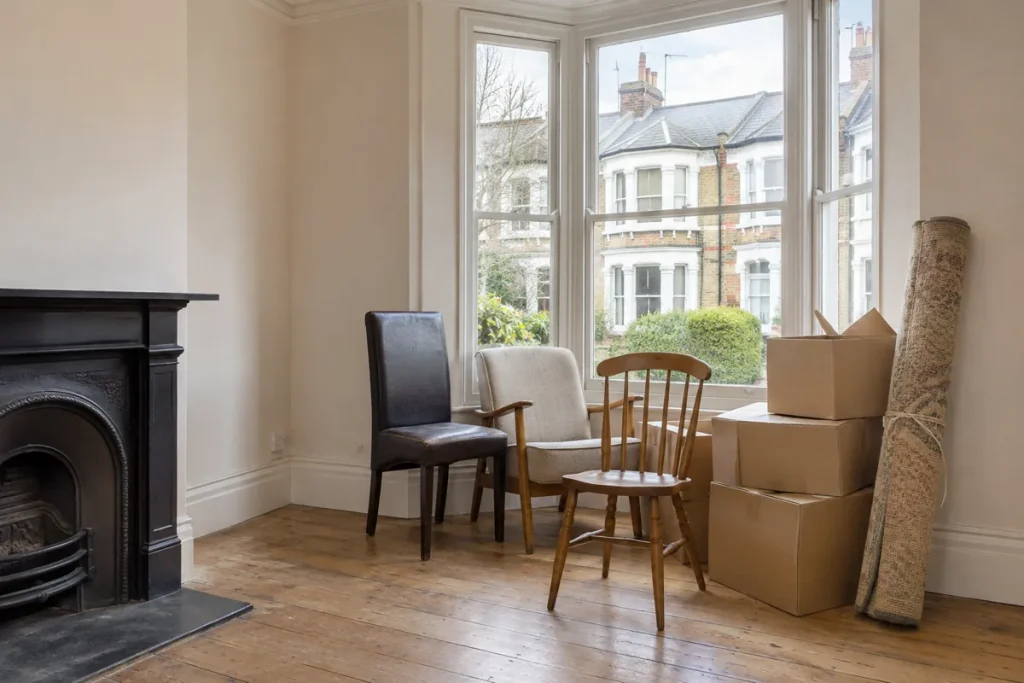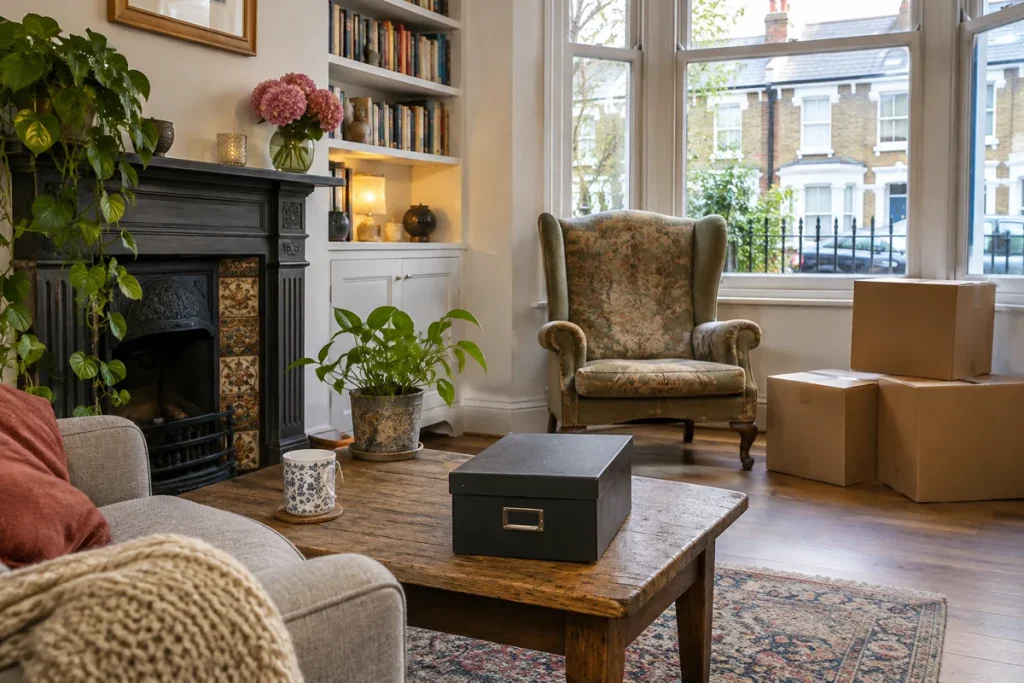
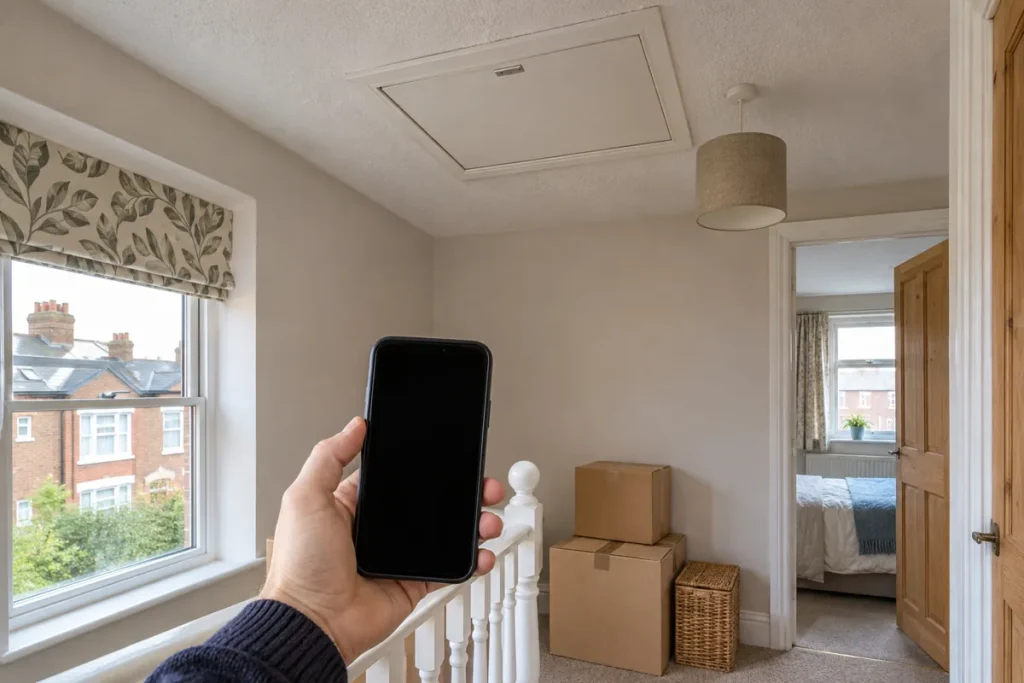
Photos of the contents help us see the size of a loft clearance. Photos of the access help us understand whether the agreed items can come out. You can start from the landing and show the route from the loft hatch to the front door. There is no need to climb into the loft just to take extra pictures.
Start with the hatch and landing
Show the hatch, ladder or stairs from a position you can reach safely. Tell us if it is a pull-down ladder, a fixed stair or another arrangement. If you already know whether the loft is boarded and lit, include that information. If you do not know, say so and we can discuss what needs checking.
Add any photos you already have of the contents
Mention boxes, bags and small furniture, then list larger or heavy pieces separately. Say if anything was originally taken up in parts. With our loft clearance service, we use the photos and access details together when we assess the collection. One wide view of the landing can be as useful as a close-up of a box.
Show us the rest of the route
Tell us about stair turns, handrails and narrow doors on the way out. If the loft is reached through a shared area, mention any building arrangements. Set aside the things you want to keep and agree the collection list before the visit so it is clear which items are going.
Use a written description when a photo is awkward
If you can only see a few boxes from the hatch, list the rest from memory and mark anything you are unsure about. Say if a chair went up before the current ladder was fitted, or if there is a cupboard under the opening that limits space. Those details help us decide what needs checking before we agree the work.
We do not collect hazardous waste. If you suspect there may be asbestos around the hatch or in materials stored in the loft, keep it out of the collection list and leave it undisturbed. The Health and Safety Executive’s asbestos guidance for the public explains where to get advice.
Related guide: Sorting loft contents before a move or renovation.